9+ curated guides • Updated October 2025
You see the giant '70% OFF!' banner and your pulse quickens. I used to see the internal memo about clearing out last year's models before January. As a former Best Buy employee, I can tell you Cyber Monday is a carefully designed game, and this is your cheat sheet to finally win. It’s not about finding a deal; it's about finding the right deal. Most of what's dangled in front of you is bait—low-quality, stripped-down models made specifically for the sales frenzy. The real treasures are hidden in plain sight, but you have to know the map. Forget the front-page doorbusters. We’re going off-road into the categories and product conditions that corporate hopes you'll overlook while you're mesmerized by a cheap 4K TV with the processing power of a potato. This is the playbook they don't want you to have.
You add milk to your digital Kroger cart, and the app suggests cookies. You accept a substitution, and suddenly your healthy meal plan has a wild card. On the surface, grocery delivery is about convenience, but underneath, a powerful psychological experiment is unfolding that changes not just what you buy, but how you think about food. This isn't just about saving a trip to the store; it's a deep dive into the invisible forces of digital choice architecture that are reshaping our habits, one algorithmically-suggested purchase at a time. The 'Kroger Cart Paradox' is this: the very tool designed to give you more control over your time may be subtly stripping you of control over your choices, your health, and your wallet. We're here to unravel how it works and, more importantly, how you can take the power back.
The glow of the yellow sign is a 24/7 beacon, promising hot coffee, sizzling hashbrowns, and a uniquely American spectacle. But in an age where any craving can be summoned to your doorstep with a tap, a new question arises: When you order Waffle House delivery, are you getting a meal, or just the ghost of one? As a student of culture who has spent countless hours observing human ritual over a plate of scattered hashbrowns, I contend that the essence of Waffle House cannot be contained in a paper bag. It is not a product to be consumed, but a place to be experienced. This investigation peels back the foil lid on a delivery order to examine the intangible cultural ingredients that are inevitably left behind at the diner.
Everyone asks if a $12 Shein handbag is 'worth it,' but the answer is usually just a guess. We decided to find the real answer by performing a handbag autopsy. We bought their top-selling styles and literally cut them open to expose the materials, stitching, and hardware secrets they don't show you online. Our investigation moves beyond the surface-level aesthetics that flood social media feeds. In my lab, we don't care if a bag 'looks cute.' We care about what it's made of, how it's held together, and how quickly it will betray you. The results were, to a materials expert, predictable yet fascinating. We found that these bags are engineered for a single purpose: to survive the photoshoot. What follows is a forensic breakdown of what your money actually buys.
You know the ritual: mash the avocado, squeeze the lime, chop the cilantro. But what if that quintessential recipe is based on a historical misunderstanding? We're digging into the past to uncover the authentic, 500-year-old Aztec recipe—long before key ingredients like limes and cilantro were introduced—to discover what this legendary dip was truly meant to taste like. As a culinary detective, my work involves peeling back the layers of modern adaptation to find the original blueprint of a dish. The modern guacamole is a triumph of flavor, but it's a culinary remix. The original—the ahuacamolli of the Nahua peoples—was a composition of profound simplicity, a direct conversation between the volcanic soil of Mesoamerica and the palate. This investigation isn't about criticizing the dip you love; it's about discovering the one that started it all.
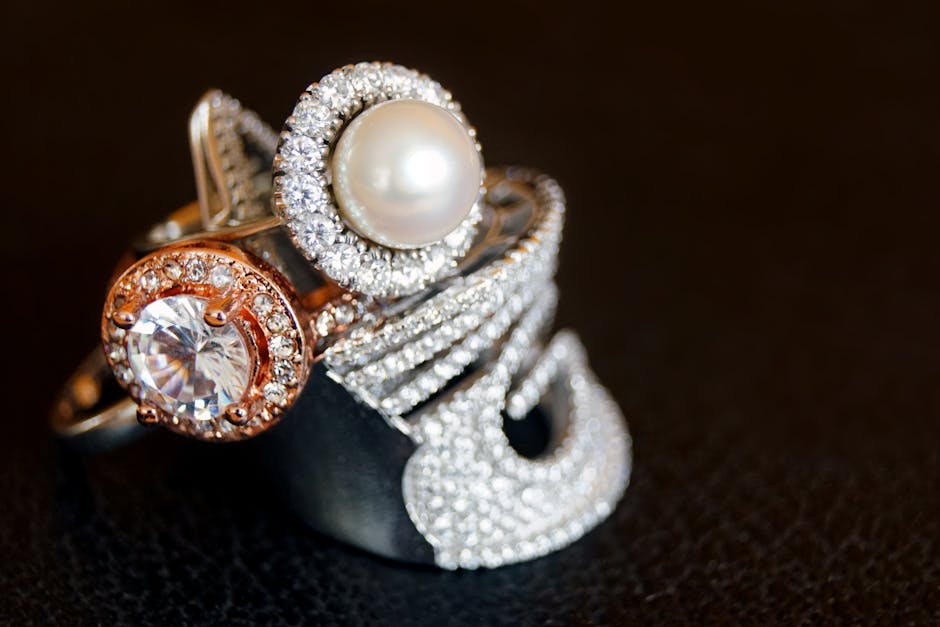
Gaze upon the British Crown Jewels and you'll find the legendary Black Prince's Ruby, a stone steeped in royal history and intrigue. But what if we told you it's a magnificent fraud? This celebrated gem is not a ruby at all, and it's far from the only famous crimson imposter that has rewritten jewelry history. For centuries, these captivating red stones were treasured by monarchs and emperors under a false identity. Their story is not one of simple trickery, but a fascinating chapter in the history of gemology, revealing how science eventually unmasked a case of mistaken identity that spanned empires. This revelation doesn't diminish their allure; instead, it highlights the extraordinary rarity and unique properties of a true, genuine ruby.
You remember their names, their catchphrases, and the viral videos that made them household names for a few months. But for every mega-influencer dominating your feed today, there are thousands whose digital empires have faded into quiet obscurity. This isn't a simple 'where are they now?'—it's an exploration into the digital ghost towns they leave behind, and what the echo of their abandoned fame tells us about our own culture. We are digital anthropologists excavating the ruins of recent history, and these abandoned profiles are our artifacts. They are time capsules of fleeting trends, fossilized communities, and the high-stakes reality of a career built on algorithmic whim. By sifting through these digital remains, we can decode the lifecycle of modern fame and understand the immense cultural and personal pressures it creates.
You've seen them a thousand times: A-list actors, musicians, and influencers sitting courtside, seemingly lost in the game. But what if that premium seat is less about fandom and more about finance? We peel back the curtain on the NBA's most exclusive real estate, revealing it not as a spectator sport, but as a calculated power play in the complex economy of modern celebrity. This isn't about watching basketball; it's about being watched, and every single detail is meticulously curated for maximum impact. The courtside seat is the modern throne, and the game is for influence.
The Walmart Black Friday ad has dropped, and the sea of bright red 'Rollback' signs is designed to trigger a shopping frenzy. But before you map out your battle plan, consider this: not all deals are created equal. We've gone beyond the sticker price to analyze the product model numbers, inventory trends, and marketing psychology at play, helping you separate the true must-buy bargains from the cleverly disguised duds. As a former buyer, I can tell you that a Black Friday circular isn't a friendly list of gifts for you; it's a meticulously crafted financial instrument. It's a retailer’s annual report, battle plan, and psychological operation all rolled into one. Every single item placement, price point, and product choice is deliberate. Our job is to reverse-engineer their strategy so you can win the day.